Jakob Klein · 7 September 2026
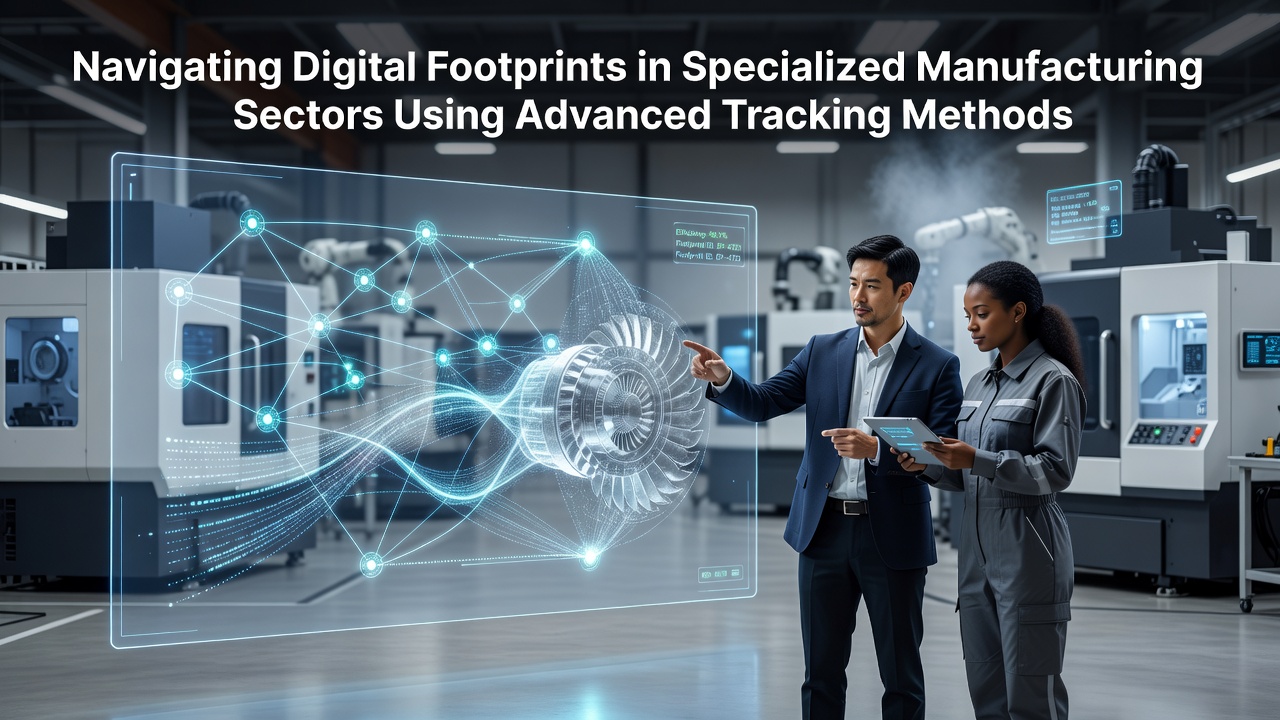
Navigating Digital Footprints in Specialized Manufacturing Sectors Using Advanced Tracking Methods
Specialized manufacturing sectors such as aerospace parts fabrication and precision medical device assembly generate extensive digital footprints through sensor networks and machine-to-machine communications, and these trails allow operators to monitor material flows while optimizing production cycles. Companies deploy radio-frequency identification tags alongside GPS-enabled logistics units to record every movement of components from raw material intake through final assembly, creating datasets that reveal patterns in equipment utilization and supply chain delays. Observers note that integration of these methods has expanded since the early 2020s as firms seek to reduce waste and meet regulatory documentation requirements in high-stakes industries.
Core Technologies Driving Footprint Tracking
Advanced tracking relies on combinations of Internet of Things devices, blockchain ledgers, and machine learning algorithms that process real-time data streams from factory floors. RFID readers capture tag information at multiple checkpoints along assembly lines while edge computing nodes analyze vibration and temperature readings to predict maintenance needs before failures occur. Data from these systems feeds into centralized platforms that map the entire lifecycle of each part, allowing engineers to trace defects back to specific batches or suppliers without manual record searches.
Researchers at institutions studying industrial automation have documented how digital twins replicate physical processes in virtual environments, enabling simulation of footprint impacts before actual changes take place on the production floor. This approach connects sensor outputs directly to inventory management software so that adjustments in one area propagate automatically through linked systems, reducing response times from hours to minutes in many documented cases.
Application Across Key Manufacturing Verticals
In pharmaceutical manufacturing facilities, batch tracking systems combine barcode scanning with environmental sensors to maintain compliance records for every vial and tablet produced, and similar setups appear in automotive electronics plants where component origins must be verified for safety certifications. Aerospace contractors use satellite-linked trackers on high-value forgings during transport between specialized subcontractors, generating logs that update continuously and flag any route deviations or temperature excursions. These implementations demonstrate how the same core methods adapt to sector-specific constraints while producing comparable data structures for analysis.
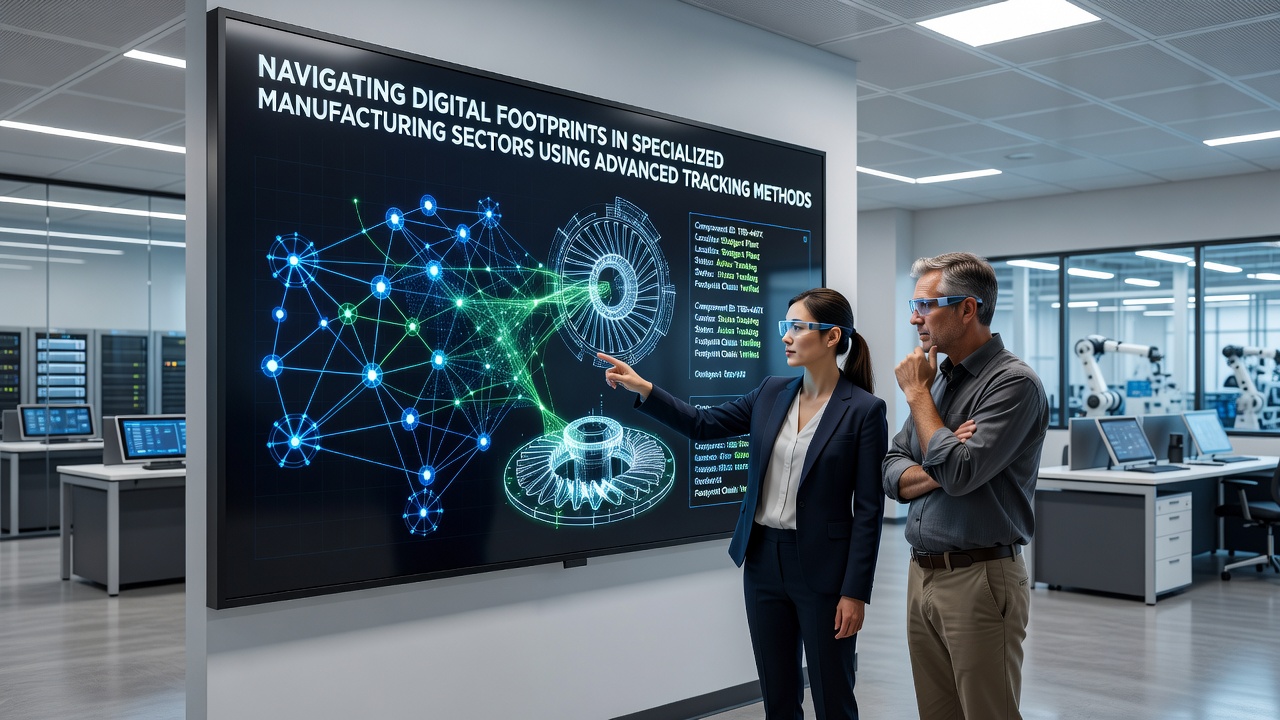
Industry reports indicate that adoption rates have risen steadily in regions with dense clusters of specialized manufacturers, particularly where cross-border supply chains require synchronized data exchanges. Canadian government initiatives on advanced manufacturing have highlighted successful pilot programs that reduced traceability errors by integrating multiple sensor types into single reporting interfaces, and comparable efforts appear in Australian trade group publications focused on heavy equipment sectors.
Integration Challenges and Technical Solutions
Legacy equipment often lacks native connectivity so retrofit kits with wireless gateways become necessary to capture operational data without halting production lines. Cybersecurity protocols must segment tracking networks from corporate systems to prevent unauthorized access while still allowing authorized analysts to query historical footprints for root-cause investigations. Standardization bodies continue refining protocols that ensure data from different vendor platforms merges cleanly into unified dashboards, addressing compatibility issues that previously fragmented records across departments.
Those who have implemented large-scale deployments observe that training programs for technicians focus on interpreting visualized footprint data rather than raw logs, which speeds decision-making during quality audits or capacity planning sessions. External audits increasingly request access to these digital records, prompting firms to maintain immutable archives through distributed ledger technology that timestamps every entry and alteration attempt.
Emerging Standards and Data Utilization Patterns
International frameworks now emphasize interoperability between tracking platforms used by original equipment manufacturers and their tier-two suppliers, creating expectations for consistent data formats across contracts. Organizations such as the National Institute of Standards and Technology publish guidelines on smart manufacturing that detail recommended sensor placements and data granularity levels for different production scales. NIST guidelines on smart manufacturing provide reference architectures that many firms reference when expanding their tracking capabilities.
Analysis of aggregated footprints reveals opportunities for predictive scheduling that aligns maintenance windows with low-demand periods, and similar insights support energy optimization by identifying machines that run outside optimal efficiency bands. European Commission documents on industrial digitalization note parallel developments in data-sharing consortia that allow anonymized footprint comparisons across competing firms to benchmark performance without revealing proprietary processes.
Conclusion
Specialized manufacturing continues to evolve its approach to digital footprint navigation as sensor density increases and analytical tools mature, producing richer datasets that support both operational efficiency and compliance verification. The methods described rely on layered technologies working in concert rather than isolated tools, and ongoing refinements in protocol standards help maintain compatibility across global supply networks. As new equipment generations enter service, the volume and precision of available tracking data will expand accordingly, sustaining the cycle of incremental improvements in visibility and control.